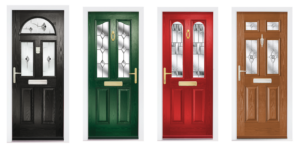
17 Signs You Work With Quick Door Repairs


Quick Door Repairs: A Comprehensive Guide
Doors are an essential part of any home, serving both functional and visual purposes. Gradually, however, they can become used, damaged, or dysfunctional, causing a range of issues from drafts to security concerns. Fortunately, exterior door repairs of door repairs can be dealt with rapidly and efficiently with the right tools and strategies. This guide provides an extensive introduction of typical door concerns and how to address them, ensuring your doors stay in leading condition.
Typical Door Issues
- Sticking or Binding Doors
- Loose Hinges
- Damaged Locks
- Spaces and Drafts
- Broken Panels or Glass
- Worn Weatherstripping
Tools and Materials Needed
- Screwdriver (flathead and Phillips)
- Hammer
- Wood chisel
- Wood filler
- Sandpaper
- Paint or stain
- Weatherstripping
- Replacement hinges
- Lock repair package
- Glass repair set
- Silicone sealant
Sticking or Binding Doors
Causes:
- Warping due to humidity
- Misaligned hinges
- Swollen wood
Solutions:
Adjust Hinges:
- Loosen the hinge screws somewhat.
- Tap the door into place with a rubber mallet.
- Tighten the screws once again.
Sand the Edges:
- Identify the sticking location.
- Gently sand the edges with fine-grit sandpaper.
- Wipe off the dust and test the door.
Lubricate the Hinges:
- Apply a silicone-based lube to the hinges.
- Open and close the door numerous times to operate in the lubricant.
Loose Hinges
Causes:
- Overuse
- Poor installation
- Loose screws
Solutions:
Tighten the Screws:
- Use a screwdriver to tighten up all hinge screws.
- If the screws are removed, eliminate them and fill the holes with wood filler or a wooden matchstick.
- Reinsert the screws and tighten.
Replace the Hinges:
- If the hinges are significantly damaged, change them with new ones.
- Guarantee the brand-new hinges match the existing ones in size and finish.
Damaged Locks
Causes:
- Wear and tear
- Forced entry
- Rust
Solutions:
Lubricate the Lock:
- Use a graphite or silicone-based lubricant to free up the mechanism.
- Insert the secret and turn it a number of times to disperse the lube.
Change the Lock:
- If the lock is beyond repair, replace it with a new one.
- Follow the maker's directions for installation.
Spaces and Drafts
Causes:
- Worn weatherstripping
- Misaligned door frame
- Loose hinges
Solutions:
Replace Weatherstripping:
- Remove the old weatherstripping.
- Measure and cut the brand-new weatherstripping to fit.
- Install the new weatherstripping, guaranteeing it is snug and secure.
Adjust the Frame:
- Check for gaps around the frame.
- Use shims to adjust the frame and guarantee an appropriate seal.
Seal Gaps:
- Apply silicone sealant to any gaps around the door frame.
- Smooth the sealant with a putty knife and allow it to dry.
Broken Panels or Glass
Causes:
- Accidental damage
- Vandalism
- Old and brittle materials
Solutions:
Replace the Panel:
- Remove the damaged panel.
- Measure and cut a brand-new panel to fit.
- Install the new panel and secure it with appropriate fasteners.
Repair or Replace Glass:
- Remove the broken glass thoroughly.
- Procedure and cut a new piece of glass to fit.
- Set up the brand-new glass and secure it with glazing points and putty.
Worn Weatherstripping
Causes:
- Age
- Sun direct exposure
- Weather
Solutions:
Inspect Regularly:
- Check the weatherstripping for indications of wear.
- Change it as required to preserve an airtight seal.
Choose Quality Materials:
- Invest in high-quality weatherstripping that can stand up to the aspects.
- Consider materials like silicone or EPDM rubber for resilience.
Frequently asked questions
Q: How often should I check my door hinges?A: It's a good concept to check your door hinges at least when a year, especially if you reside in a damp or coastal location. Regular assessments can help you capture issues early and prevent more substantial damage.
Q: Can I repair a sticking door without eliminating it?A: Yes, in most cases, you can change the hinges or sand the edges without getting rid of the door. Nevertheless, if the door is significantly deformed or damaged, you might need to eliminate it for a more extensive repair.
Q: What kind of lube is best for door locks?A: A silicone-based lube is generally the very best option for door locks. It supplies a smooth, long-lasting solution without bring in dirt or grime.
Q: How can I avoid gaps and drafts around my doors?A: Regularly check and change worn weatherstripping, guarantee the door frame is appropriately lined up, and utilize silicone sealant to fill any spaces. Additionally, keeping the door and frame well-kept can help avoid concerns from establishing.
Q: What should I do if my door lock is jammed?A: First, attempt lubricating the lock with a silicone-based lube. If that doesn't work, you might need to take apart the lock to tidy and repair the system. If you're not comfortable doing this yourself, consider calling a professional locksmith.
Maintaining and fixing your doors is essential for both the performance and visual appeals of your home. By resolving typical problems like sticking doors, loose hinges, and damaged locks, you can guarantee your doors remain in leading condition. Routine maintenance and prompt repairs can extend the life of your doors and conserve you money in the long run. With the right tools and techniques, lots of door repairs can be dealt with rapidly and efficiently, keeping your home secure and comfortable.
By following the actions described in this guide, you can take on a range of door concerns and keep your home looking its finest. Whether you're a DIY enthusiast or a property owner searching for practical services, these ideas and tricks will help you maintain your doors with confidence.